رعاية صحية عالمية المستوى،
مُيسَّرة في الصين
استشارة مجانية
أخبرنا باحتياجاتك — سنطابقك مع المتخصص المناسب خلال 24 ساعة.
موثوق بها من قبل المرضى الدوليين
للحصول على رعاية تغير الحياة
خدمة شاملة من أول استفسار إلى التعافي — مدعومة بأفضل المستشفيات والمتخصصين في الصين.
مستشفيات من الطراز الأول
مستشفيات معتمدة من JCI ومن الدرجة 3A (الفئة الأعلى) في بكين وشانغهاي وقوانغتشو.
أطباء متخصصون
أطباء مدربون دولياً مع فرق تتحدث الإنجليزية ودعم بالترجمة.
تكلفة شفافة
وفر 50-80% على العلاج مقارنة بالولايات المتحدة/أوروبا. عرض سعر مفصل بدون رسوم خفية.
مدير حالة على مدار الساعة
التأشيرة والرحلات والفنادق ومرافقة المستشفى ودعم التعافي — كل ذلك ينسقه مدير حالة مخصص.
رعاية شاملة عبر أكثر من 21 تخصصاً
من علم الأورام المتقدم إلى الطب الصيني التقليدي — احصل على أفضل ما في الصين في كل تخصص رئيسي.
رحلة بسيطة من 4 خطوات
من الاستشارة الأولى إلى العودة الآمنة إلى المنزل — نتعامل مع كل التفاصيل.
استشارة مجانية
شارك تاريخك الطبي. يقوم فريقنا بمراجعة حالتك وتعيين المتخصص المناسب.
خطة العلاج
احصل على خطة مفصلة مع تقدير التكلفة والمستشفى والطبيب والجدول الزمني خلال 48 ساعة.
السفر والعلاج
ننسق التأشيرة والرحلات والفندق والاستقبال من المطار وإدخال المستشفى مع دعم بالترجمة.
التعافي والعودة
رعاية ما بعد العلاج ومواعيد المتابعة والعودة السلسة — كل ذلك مشمول.
أين سيتم علاجك
نعمل فقط مع المستشفيات الحاصلة على اعتماد دولي ولديها فرق مثبتة لرعاية المرضى الدوليين.

Peking Union Medical College Hospital
تأسس مستشفى بكين الجامعي الطبي (PUMCH) عام 1921 وهو المستشفى الرائد في الصين — احتل المرتبة الأولى و…

Fuwai Hospital, CAMS
مستشفى فوواي هو أكبر مستشفى متخصص في القلب في العالم والمركز الوطني الصيني لأمراض القلب والأوعية الد…

Peking University Cancer Hospital
مستشفى جامعة بكين للأورام — المركز الرائد في علم الأورام شمال الصين منذ 1976. 800 سرير و480 أخصائياً…

Beijing Tongren Hospital
مستشفى بكين تونغرين، الذي تأسس عام 1886، هو أقدم وأعرق مركز صيني متخصص في طب العيون والأنف والأذن وا…
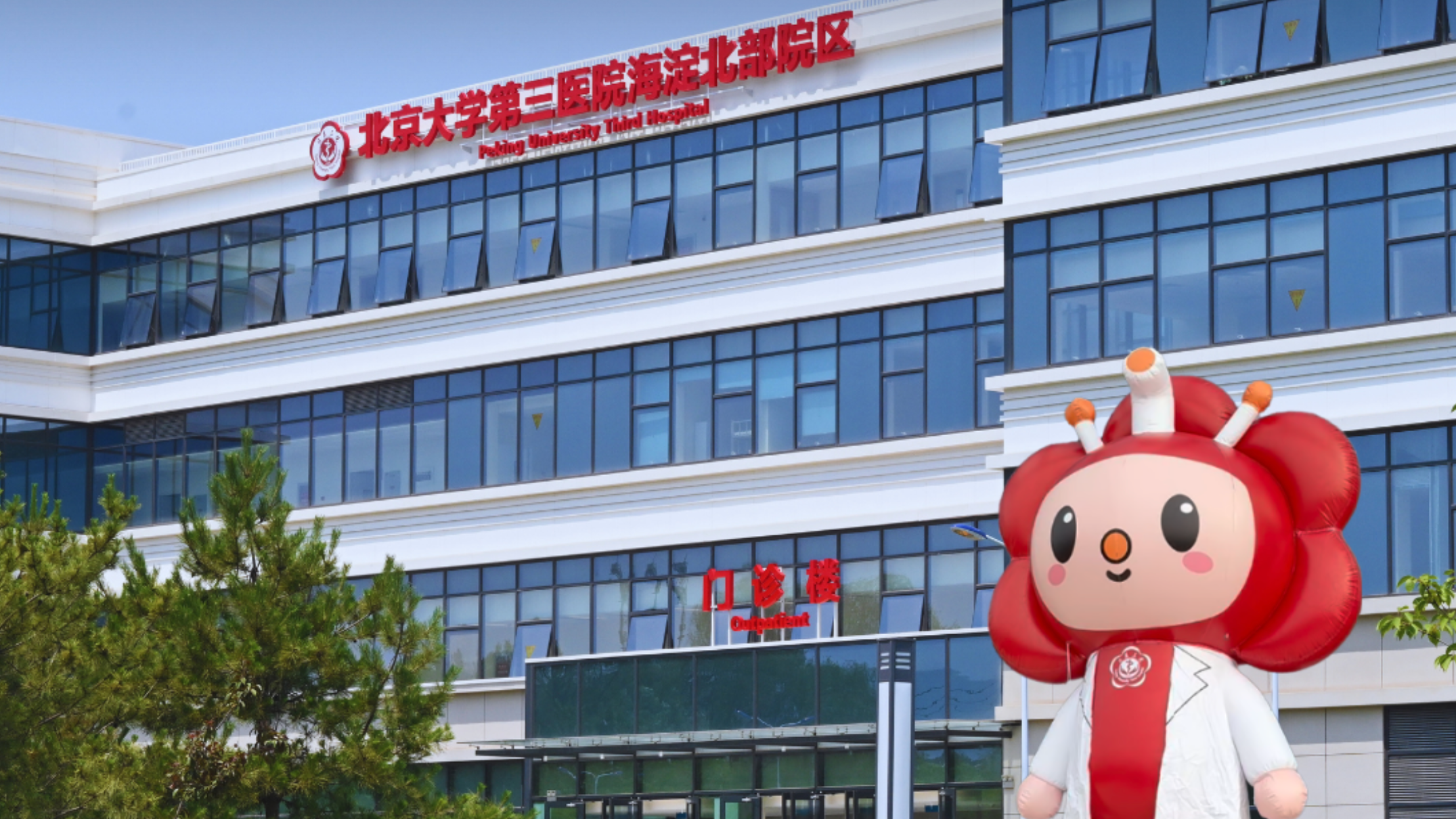
Peking University Third Hospital
مستشفى جامعة بكين الثالث (PUTH) — الأول في الصين في الطب الإنجابي والطب الرياضي للعظام، تأسس 1958. ي…

Zhongshan Hospital, Fudan University
مستشفى تشونغشان، جامعة فودان، تأسس 1937، باستمرار ضمن أفضل 3 مستشفيات في الصين. به 2000 سرير و28 تخص…
تدريب دولي، جذور محلية
عقود من الخبرة المشتركة في علاج المرضى الدوليين.




خطط بثقة
أدلة التأشيرة وإعداد الدفع ورؤى العلاج — كتبها فريق السفر الطبي لدينا.

Second Affiliated Hospital, Zhejiang University's Robotic Low Anterior Resection (LAR) Program: Inside View for Foreign Patients (2026)

4 Wisdom Teeth Extraction + IV Sedation at Shanghai East Hospital, Tongji University: 25 Real Questions Foreign Patients Ask (2026 Answers)

Dr. Wei Kai at First Affiliated Hospital, Zhejiang University: A Foreign Patient's Guide to Booking the Surgeon Behind Egg Freezing Cycle (Stimulation + Retrieval + 1yr Storage)
كل ما قد تتساءل عنه
من السلامة والتكاليف إلى التأشيرات والتأمين — إجابات واضحة قبل السفر.
<p>في الصين، يكلف علاج Lung Cancer عادة $12,000–25,000 مقارنة بـ $50,000–120,000 في الولايات المتحدة — توفير بنسبة 75%. في مستشفيات SSAnkang الشريكة، تتلقى عرض سعر مفصل قبل السفر بدون رسوم مخفية.</p>
اقرأ الإجابة كاملةGastric cancer, also known as stomach cancer, is a disease in which malignant cells form in the lining of the stomach. It is one of the most common cancers in East Asia, where dietary, environmental, and genetic factors contribute to higher incidence rates. Early detection significantly improves outcomes, and China has become a global leader in screening and early intervention.
اقرأ الإجابة كاملةColorectal cancer is a malignancy that begins in the colon or rectum, often developing from polyps. It is among the fastest-rising cancers in China, partly due to dietary and lifestyle changes. Key facts: early detection greatly improves outcomes, and treatment typically involves surgery, chemotherapy, or radiation. In China, advanced techniques like robotic and 3D-laparoscopic resection with NOSES are widely available, allowing for less invasive procedures and faster recovery.
اقرأ الإجابة كاملةEsophageal cancer is a malignancy that forms in the lining of the esophagus, the tube connecting the throat to the stomach. The most common type in China is esophageal squamous cell carcinoma, which accounts for over half of all global cases. China's high incidence has led to unmatched clinical experience in managing this disease, particularly in high-volume centers.
اقرأ الإجابة كاملةProstate cancer is a malignancy that develops in the prostate gland, a small walnut-shaped organ in men that produces seminal fluid. It is one of the most common cancers among men, often growing slowly and remaining confined to the gland initially, though aggressive forms can spread. Key facts include that early-stage prostate cancer may cause no symptoms, and screening via PSA blood tests and digital rectal exams is crucial for detection. Treatment options range from active surveillance for low-risk cases to surgery, radiation, and hormone therapy for more advanced disease.
اقرأ الإجابة كاملةCervical cancer begins in the cells lining the cervix, the lower part of the uterus connecting to the vagina. It is most often caused by persistent infection with high-risk types of human papillomavirus (HPV). Key facts: it is one of the most preventable cancers through HPV vaccination and regular screening, yet remains a leading cause of cancer death in women worldwide. Early-stage cervical cancer often has no symptoms, highlighting the importance of routine Pap smears and HPV testing.
اقرأ الإجابة كاملةLymphoma is a cancer of the lymphatic system, which is part of the body's immune system. It occurs when lymphocytes, a type of white blood cell, grow abnormally and form tumors. There are two main types: Hodgkin lymphoma and non-Hodgkin lymphoma, with the latter being more common. Key facts include that it is one of the most treatable cancers, especially when diagnosed early, and treatment options have advanced significantly in recent years.
اقرأ الإجابة كاملةA glioma is a type of brain tumor that originates from glial cells, which support nerve cells. It is the most common primary brain tumor in adults, with severity ranging from low-grade (slow-growing) to high-grade (aggressive, such as glioblastoma). Key facts include that gliomas account for about 30% of all brain tumors and require specialized, multidisciplinary care for optimal outcomes.
اقرأ الإجابة كاملةAortic valve stenosis is a condition where the heart's aortic valve narrows, restricting blood flow from the left ventricle to the aorta. This forces the heart to work harder, potentially leading to symptoms like chest pain, shortness of breath, fatigue, and fainting. If left untreated, severe stenosis can cause heart failure or sudden cardiac death. It is most common in older adults and can be congenital or develop due to calcium buildup on the valve.
اقرأ الإجابة كاملةMitral regurgitation is a heart valve condition where the mitral valve does not close properly, causing blood to leak backward into the left atrium. This can lead to symptoms like fatigue, shortness of breath, and heart enlargement if untreated. It is one of the most common valvular heart diseases, affecting millions worldwide, and can be caused by age-related degeneration, rheumatic heart disease, or structural abnormalities.
اقرأ الإجابة كاملةAtrial fibrillation (AFib) is a common heart rhythm disorder where the upper chambers of the heart beat irregularly and often rapidly, increasing the risk of stroke and heart failure. Key facts: it affects millions worldwide, can be paroxysmal or persistent, and modern catheter ablation offers a potential cure for many patients.
اقرأ الإجابة كاملةCongenital heart defects (CHDs) are structural abnormalities of the heart present at birth, ranging from simple holes between chambers to complex malformations affecting blood flow. They are the most common type of birth defect, occurring in nearly 1% of live births worldwide. Early diagnosis and surgical intervention are critical for long-term outcomes.
اقرأ الإجابة كاملةHeart failure is a chronic condition where the heart cannot pump enough blood to meet the body's needs, often due to weakened or stiffened heart muscle. Key facts include that it affects over 64 million people worldwide, and common causes are coronary artery disease, high blood pressure, and previous heart attacks. Symptoms include shortness of breath, fatigue, and fluid retention, but early diagnosis and advanced treatments can significantly improve quality of life and survival.
اقرأ الإجابة كاملةHypertrophic Cardiomyopathy (HCM) is a genetic heart condition where the heart muscle becomes abnormally thick, making it harder for the heart to pump blood. It often causes symptoms like chest pain, shortness of breath, and fainting, and can lead to serious complications such as arrhythmias or sudden cardiac arrest. HCM is the most common inherited heart disease, affecting about 1 in 500 people worldwide.
اقرأ الإجابة كاملةهل أنت مستعد للخطوة التالية؟
احصل على خطة علاج شخصية وتقدير للتكلفة خلال 24 ساعة. بدون التزام، مجاني تماماً.
احصل على عرض سعر مجاني