Six Years of Waiting
Fatimah and her husband Ahmad married in 2019 in Riyadh. After two years of trying naturally, they were diagnosed with unexplained infertility. Their reproductive endocrinologist recommended IVF, beginning a journey across three countries and four heartbreaking failures.
Four Failed Cycles
Two cycles in Amman, Jordan: poor embryo quality, neither implanted. Two in Istanbul: cycle three a chemical pregnancy ending at five weeks, cycle four a complete fertilization failure with zero viable embryos from eight oocytes. By early 2025 they had spent over $40,000 USD across two years of emotional exhaustion.
Discovering SSAnkang Health
Fatimah found SSAnkang through an Arabic-language fertility forum. The medical team identified factors past clinics had missed: suboptimal stimulation protocol, no PGT-A screening, and untested sperm DNA fragmentation.
Workup in Shanghai
March 2025. Their case manager, fluent in Arabic, met them at Pudong. Five-day comprehensive workup: AMH 3.2 ng/mL (normal for age), antral follicle count 14, 3D saline-infusion ultrasound revealed a previously undiagnosed endometrial polyp removed by hysteroscopy. Ahmad's sperm DNA fragmentation index was 28% — elevated but treatable with antioxidants and microfluidic sorting.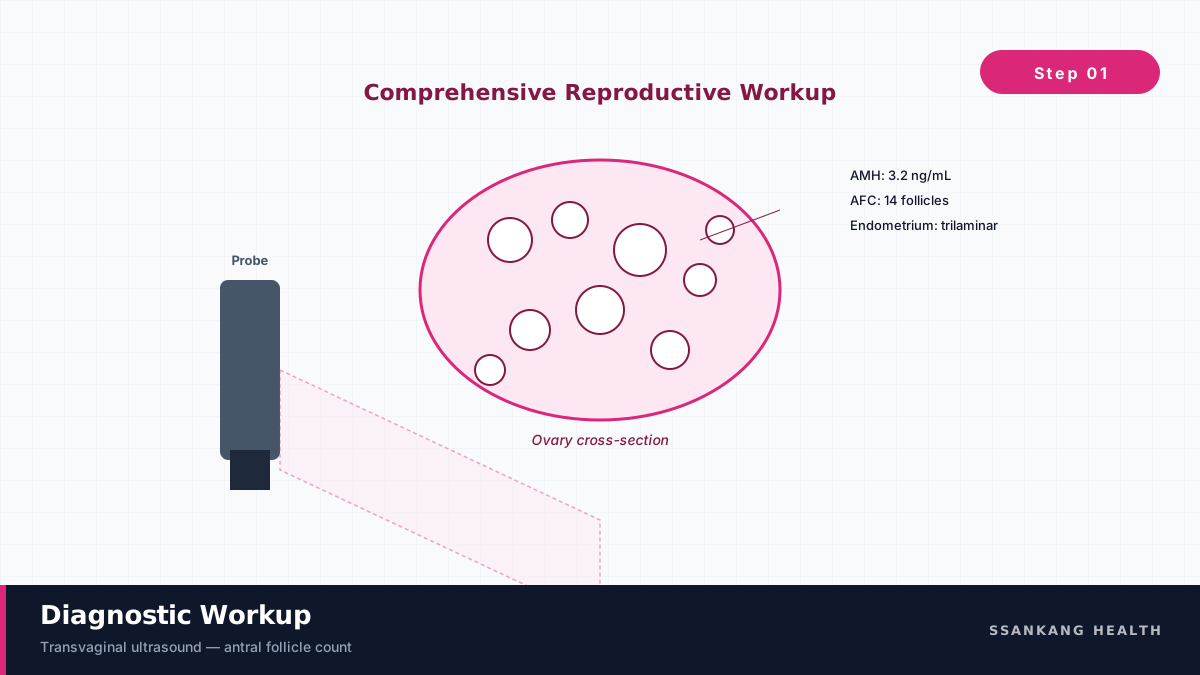
A Tailored Protocol
Unlike her previous long agonist protocols, the team designed an antagonist protocol with dual trigger (GnRH agonist plus low-dose hCG) to minimize OHSS risk while maximizing mature oocyte yield. Stimulation lasted 10 days.
Embryology
Retrieval yielded 14 oocytes (12 mature MII). With ICSI using microfluidically sorted sperm, 8 fertilized normally. By day 5, five had developed into quality blastocysts — a dramatic improvement. All five were biopsied for PGT-A: three euploid embryos (two 5AA, one 4AB). Fatimah wept — she had never had a single confirmed genetically normal embryo before.
Transfer and Twin Surprise
A single 5AA euploid blastocyst was transferred. Beta-hCG day 12: 486 mIU/mL (strongly positive); day 14: 1,240. Week-7 ultrasound: two gestational sacs, each with a heartbeat — monozygotic twinning of the single embryo, dichorionic-diamniotic (the safest configuration for identical twins).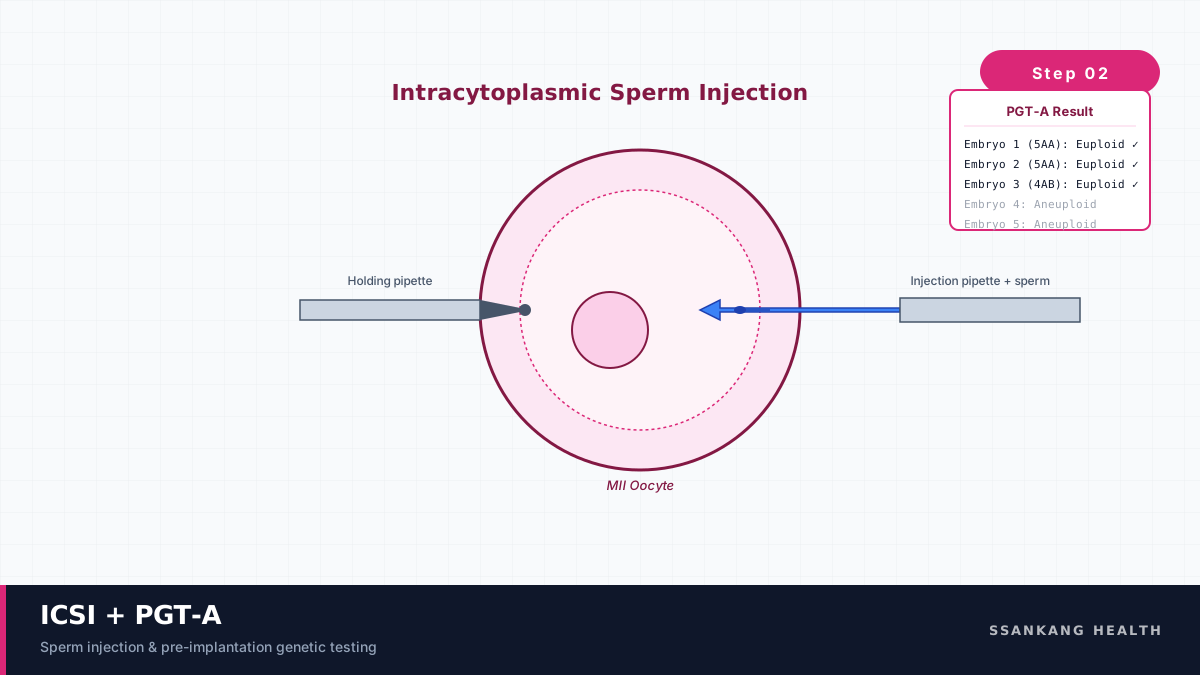
Monitoring
The couple stayed through the first trimester. Weekly ultrasounds through week 14. They returned to Riyadh with a detailed care-transfer package for their local obstetrician.
Outcome
Two healthy boys delivered by planned cesarean at 36 weeks 5 days, each over 2.5 kg, both Apgar 9, no NICU admission.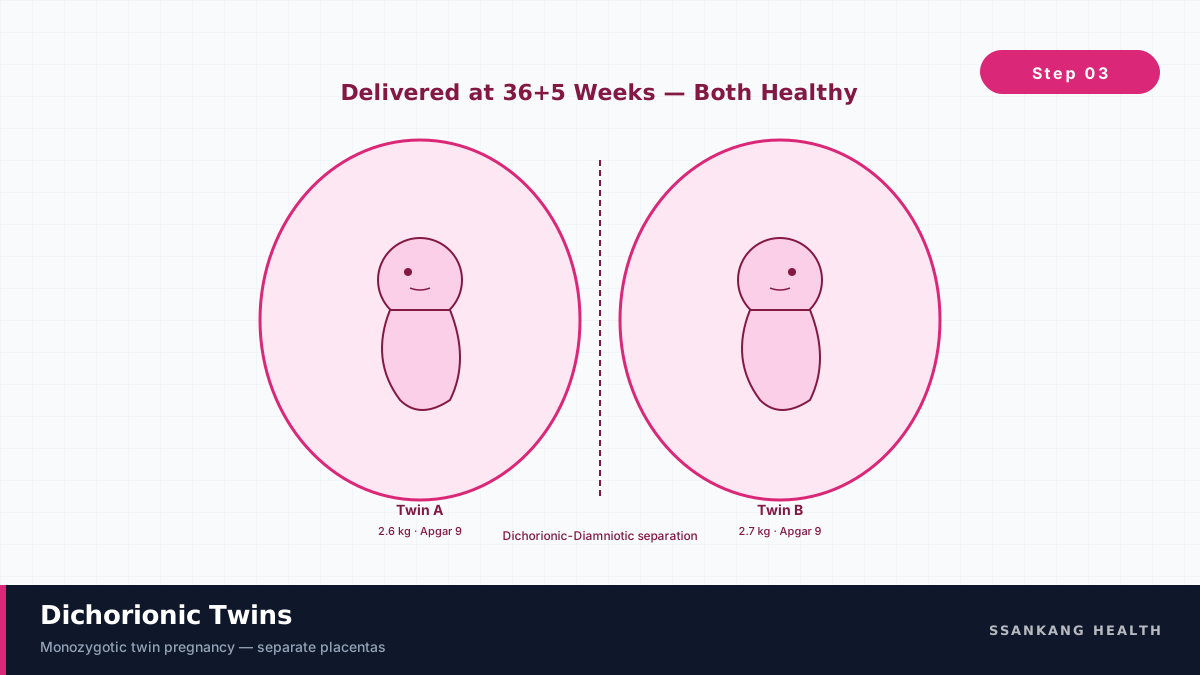
Reflection
Total Shanghai cost — ICSI, PGT-A on five embryos, hysteroscopy, medications, 10-week stay — approximately $18,000 USD, roughly 60% less than Istanbul quotes. The clinical difference — PGT-A, sperm sorting, polyp removal, customized protocol — addressed issues four prior clinics had overlooked.