About Tongji Hospital, Huazhong University
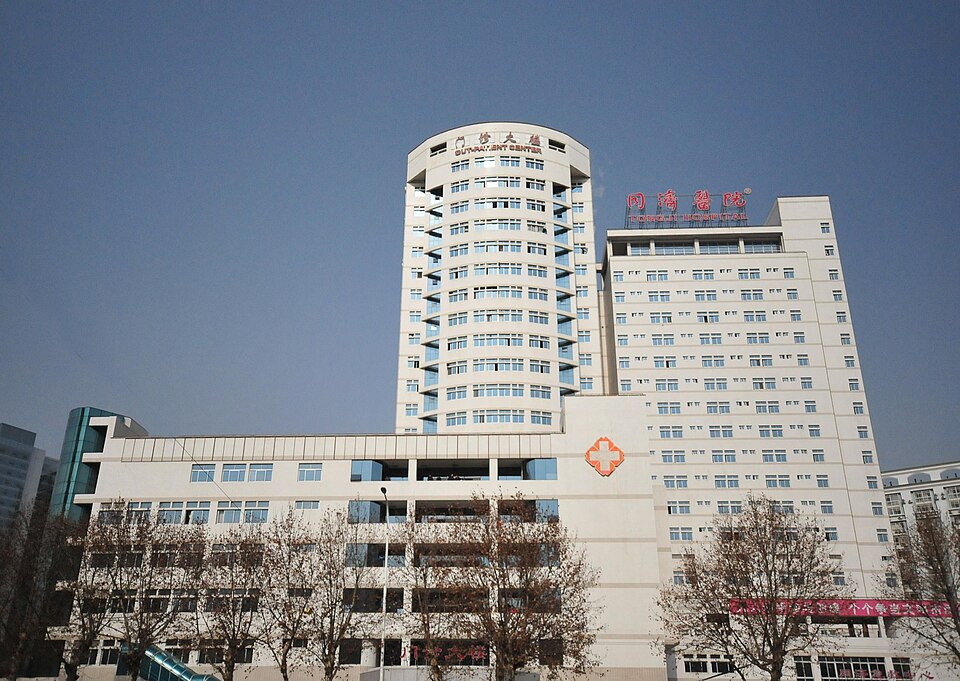
<p>Tongji Hospital, affiliated with Huazhong University of Science and Technology (HUST), stands as one of China’s most storied and clinically powerful medical institutions. Founded in 1900 in Shanghai by German physician Dr. Erich Paulun, the hospital relocated to Wuhan in 1955 and has since evolved into a national healthcare anchor. Consistently ranked among the top five hospitals nationally in the prestigious Fudan Hospital Rankings for over 15 consecutive years, Tongji Hospital operates across three sprawling campuses with more than 6,000 beds. It holds multiple National Medical Center designations, including oncology (the largest comprehensive cancer center in central China), organ transplantation (liver, kidney, heart, and lung), reproductive medicine (performing over 10,000 IVF cycles annually), cardiovascular surgery, and neurosurgery. As an AAA-grade tertiary hospital, Tongji combines century-old medical heritage with modern clinical scale, making it a premier destination for international patients seeking high-complexity care through SSAnkang’s coordinated medical travel services.</p>
View Detailed Introduction — Programs, Services & More
<h2>Historical Foundation and Institutional Legacy</h2>
<p>Tongji Hospital’s origins trace back to 1900 when German surgeon Erich Paulun founded the Tongji Medical School and its affiliated hospital in Shanghai. The name "Tongji" itself reflects a mission of shared medical advancement. After the Chinese government restructured medical education in the 1950s, the hospital relocated to Wuhan in 1955, merging with the local medical infrastructure to form what is now Tongji Hospital, HUST. This move positioned the hospital at the heart of central China, a region that would become a hub for medical innovation. Over the decades, Tongji has trained generations of physicians, published thousands of research papers, and pioneered surgical techniques that have set national standards. Its long-standing partnership with German medical institutions continues to this day, reflected in the hospital’s International Medical Center, which offers interpretation services in English, French, and Arabic. For international patients, this historical depth means access to a medical culture that values precision, documentation, and multidisciplinary collaboration—hallmarks of the German medical tradition that still influence Tongji’s clinical protocols.</p>
<h2>National Rankings and Clinical Scale</h2>
<p>In the annual Fudan Hospital Rankings—China’s most authoritative hospital evaluation system—Tongji Hospital has held a top-five position for over 15 years. This ranking evaluates clinical reputation, research output, and specialty strength across all major disciplines. With more than 6,000 beds distributed across its main campus in Wuhan’s Qiaokou District, the Optical Valley campus, and the Sino-French New City campus, Tongji handles over 7 million outpatient visits and 300,000 inpatient admissions annually. The hospital employs over 8,000 medical staff, including hundreds of senior physicians and researchers. This scale directly benefits international patients: shorter wait times for complex procedures, access to multidisciplinary tumor boards, and the ability to accommodate family members during treatment stays. The hospital’s AAA-grade designation from China’s National Health Commission confirms its adherence to the highest standards of patient safety, infection control, and clinical outcomes.</p>
<h2>National Medical Centers and Specialty Strengths</h2>
<p>Tongji Hospital hosts multiple National Medical Centers (NMCs), each representing the highest level of specialized care in China. These centers are designated by the National Health Commission based on rigorous criteria including case volume, success rates, research output, and training capacity.</p>
<h3>Oncology Center</h3>
<p>The Tongji Oncology Center is the largest comprehensive cancer treatment facility in central China, with over 1,200 dedicated beds across medical oncology, radiation oncology, and surgical oncology departments. The center treats more than 50,000 new cancer patients annually, covering all major solid tumors including lung, breast, gastric, colorectal, liver, and pancreatic cancers. Advanced modalities include intensity-modulated radiation therapy (IMRT), stereotactic body radiation therapy (SBRT), proton therapy (via referral to partner centers), targeted therapy, immunotherapy, and CAR-T cell therapy. The center also houses a Phase I clinical trial unit, offering international patients access to novel therapies not yet widely available. Multidisciplinary tumor boards meet daily, ensuring each patient’s case is reviewed by surgeons, oncologists, radiologists, and pathologists before treatment decisions are made.</p>
<h3>Organ Transplant Center</h3>
<p>Tongji’s Organ Transplant Center is one of the most active in China, performing over 800 solid organ transplants annually. The center is authorized for liver, kidney, heart, and lung transplantation, with liver transplantation being the highest-volume program. The center’s liver transplant survival rates at one year exceed 92%, comparable to leading US and European centers. Living-donor liver transplantation and split-liver transplantation are routinely performed, expanding the donor pool. The kidney transplant program performs over 300 procedures annually, with a focus on ABO-incompatible transplantation for patients with difficult-to-match donors. The heart and lung transplant programs, while smaller, have achieved consistent outcomes with one-year survival rates above 85%. All transplant patients receive lifelong follow-up through the hospital’s dedicated transplant clinic, which coordinates immunosuppression management and complication surveillance.</p>
<h3>Reproductive Medicine Center</h3>
<p>The Tongji Reproductive Medicine Center is a national leader in assisted reproductive technology, performing over 10,000 in vitro fertilization (IVF) cycles each year. The center offers a full spectrum of fertility treatments including conventional IVF, intracytoplasmic sperm injection (ICSI), preimplantation genetic testing (PGT) for monogenic disorders and chromosomal abnormalities, oocyte and sperm cryopreservation, and fertility preservation for cancer patients. The center’s live birth rate per embryo transfer exceeds 55% for women under 35, placing it among the top fertility centers in Asia. International patients benefit from the center’s experience with cross-border reproductive care, including coordination with home-country fertility specialists for follow-up care. The center also provides egg donation and surrogacy coordination services in compliance with Chinese regulations, with a dedicated international patient coordinator who speaks English and Mandarin.</p>
<h3>Cardiovascular Surgery</h3>
<p>The Department of Cardiovascular Surgery at Tongji Hospital performs over 3,000 open-heart surgeries and 5,000 interventional cardiology procedures annually. The department is particularly renowned for its work in coronary artery bypass grafting (CABG), valve repair and replacement, aortic surgery, and congenital heart disease correction. Minimally invasive approaches, including robotic-assisted cardiac surgery using the Da Vinci Xi system, are routinely offered. The hospital’s hybrid operating room allows simultaneous surgical and interventional procedures for complex cases such as hybrid coronary revascularization and complex aortic dissections. The cardiovascular intensive care unit (CVICU) is staffed by specialized intensivists and cardiac anesthesiologists, ensuring high-quality postoperative management. International patients with complex cardiac conditions—such as multi-vessel coronary disease, severe valvular pathology, or aortic aneurysms—find Tongji’s cardiovascular program particularly accessible through SSAnkang’s coordination services.</p>
<h3>Neurosurgery</h3>
<p>Tongji’s Department of Neurosurgery is a National Medical Center for neurological diseases, treating over 10,000 neurosurgical cases annually. The department covers all subspecialties including brain tumor surgery (gliomas, meningiomas, pituitary adenomas), spinal surgery, cerebrovascular surgery (aneurysms, arteriovenous malformations), functional neurosurgery (deep brain stimulation for Parkinson’s disease, epilepsy surgery), and pediatric neurosurgery. The hospital is equipped with intraoperative MRI, neuronavigation systems, and an advanced neurophysiological monitoring suite. For international patients, the department offers second opinions on complex brain and spine cases, with the ability to review imaging remotely before travel. The neuro-oncology team works closely with the oncology center for integrated care of brain tumor patients, including radiation oncology and chemotherapy.</p>
<h2>International Medical Center and Language Services</h2>
<p>Tongji Hospital’s International Medical Center (IMC) is a dedicated unit designed to serve foreign patients. Located on the main campus, the IMC provides a separate admission area, private consultation rooms, and dedicated nursing staff trained in cross-cultural communication. Interpretation services are available in English, French, and Arabic, with on-call interpreters for additional languages. The IMC coordinates all aspects of care, including appointment scheduling, diagnostic testing, inpatient admission, and discharge planning. International patients can access all hospital departments through the IMC, which also handles billing, insurance coordination, and medical record transfers. The IMC’s patient liaisons are familiar with the needs of medical travelers, including visa support letters, travel coordination, and accommodation recommendations near the hospital.</p>
<h2>Procedure Cost Ranges (USD)</h2>
<p>Below are representative cost ranges for major procedures at Tongji Hospital. These are estimates and may vary based on individual patient condition, length of stay, and specific treatment protocols. All costs are in USD and include hospital fees, surgeon fees, anesthesia, and standard postoperative care unless otherwise noted. SSAnkang provides free cost estimates for any procedure at Tongji Hospital.</p>
<table>
<thead>
<tr>
<th>Procedure</th>
<th>Cost Range (USD)</th>
<th>Typical Hospital Stay</th>
</tr>
</thead>
<tbody>
<tr>
<td>Coronary Artery Bypass Grafting (CABG)</td>
<td>$18,000–$28,000</td>
<td>7–10 days</td>
</tr>
<tr>
<td>Heart Valve Replacement (mechanical or biological)</td>
<td>$22,000–$35,000</td>
<td>7–14 days</td>
</tr>
<tr>
<td>Liver Transplantation (deceased donor)</td>
<td>$55,000–$85,000</td>
<td>14–21 days</td>
</tr>
<tr>
<td>Kidney Transplantation (living donor)</td>
<td>$30,000–$50,000</td>
<td>10–14 days</td>
</tr>
<tr>
<td>IVF Cycle (including medication)</td>
<td>$8,000–$14,000</td>
<td>Outpatient (2–3 weeks monitoring)</td>
</tr>
<tr>
<td>Lung Cancer Surgery (lobectomy, VATS)</td>
<td>$12,000–$22,000</td>
<td>5–7 days</td>
</tr>
<tr>
<td>Brain Tumor Resection (craniotomy)</td>
<td>$15,000–$30,000</td>
<td>7–10 days</td>
</tr>
<tr>
<td>Spinal Fusion (single level)</td>
<td>$10,000–$18,000</td>
<td>3–5 days</td>
</tr>
<tr>
<td>Total Knee Replacement</td>
<td>$12,000–$20,000</td>
<td>4–6 days</td>
</tr>
<tr>
<td>Hip Replacement</td>
<td>$11,000–$19,000</td>
<td>4–6 days</td>
</tr>
</tbody>
</table>
<h2>SSAnkang Service Tiers for Tongji Hospital</h2>
<p>SSAnkang offers three service tiers for patients arranging treatment at Tongji Hospital. Each tier is designed to match the level of support you need, from basic coordination to full VIP management.</p>
<ul>
<li><strong>Basic (Free):</strong> Includes hospital selection guidance, cost estimate, appointment scheduling, and document translation for initial consultation. You manage your own travel and accommodation.</li>
<li><strong>Gold ($599):</strong> Adds a dedicated patient coordinator who speaks your language, airport pickup and transfer to the hospital, assistance with hospital admission and discharge, coordination of diagnostic tests, and a 24-hour hotline during your stay. Accommodation booking assistance included.</li>
<li><strong>Diamond ($2,499):</strong> VIP end-to-end service with senior physician access (expedited appointment with a department head or senior specialist), private hospital room upgrade, personal interpreter throughout your stay, daily check-ins by your coordinator, assistance with medical visa application, and post-discharge follow-up for 30 days. Ideal for complex or high-stakes procedures like organ transplantation or brain surgery.</li>
</ul>
<h2>Frequently Asked Questions</h2>
<h3>How do I start the process of receiving treatment at Tongji Hospital through SSAnkang?</h3>
<p>Contact SSAnkang at <strong>yuhua0095@gmail.com</strong> or via WhatsApp at +86 193 9277 7259. Provide your medical history, current diagnosis, and any relevant imaging or lab reports. We will review your case and provide a cost estimate and hospital recommendation within 48 hours. Once you choose a service tier, we coordinate directly with Tongji Hospital’s International Medical Center to schedule your consultation and treatment.</p>
<h3>Does Tongji Hospital accept international insurance?</h3>
<p>Yes, Tongji Hospital’s International Medical Center works with several major international insurance providers. However, direct billing depends on your specific insurance plan. SSAnkang can help verify your coverage and coordinate with the hospital’s billing department. If your insurance does not have a direct agreement, we can arrange self-pay with itemized receipts for later reimbursement.</p>
<h3>Can I get a second opinion from Tongji Hospital without traveling to China?</h3>
<p>SSAnkang does not offer video consultation or telemedicine services. To obtain a second opinion from Tongji Hospital, you would need to travel to Wuhan for an in-person consultation at the International Medical Center. We can help schedule this appointment and prepare your medical records for review before your arrival.</p>
<h3>What languages are spoken at Tongji Hospital’s International Medical Center?</h3>
<p>The International Medical Center provides interpretation services in English, French, and Arabic. For other languages, we can arrange an interpreter through our coordination team. All medical documents are available in English upon request, and our patient coordinators are bilingual in Mandarin and English.</p>
<h3>How long should I plan to stay in Wuhan for treatment?</h3>
<p>Stay duration depends on the procedure. For outpatient consultations and diagnostic workups, plan 3–5 days. For surgeries, typical hospital stays range from 3–14 days as shown in the cost table above, followed by 1–2 weeks of local recovery before you are fit for travel. SSAnkang’s coordinators can help you plan your itinerary based on your specific treatment plan.</p>
<h3>Is Tongji Hospital safe for international patients?</h3>
<p>Yes. Tongji Hospital is an AAA-grade tertiary hospital, the highest classification in China. It holds multiple National Medical Center designations, maintains rigorous infection control standards, and has dedicated international patient services. The hospital’s clinical outcomes, including transplant survival rates and cancer treatment success rates, are published and comparable to leading international centers.</p>
<h2>Contact SSAnkang for Your Treatment at Tongji Hospital</h2>
<p>If you are considering treatment at Tongji Hospital in Wuhan—whether for oncology, organ transplantation, reproductive medicine, cardiovascular surgery, neurosurgery, or any other specialty—SSAnkang is ready to guide you through every step. Our network of 50+ partner hospitals across 21 specialties ensures you receive coordinated, high-quality care. Contact us today to begin your medical journey. Email: <strong>yuhua0095@gmail.com</strong> | WhatsApp: +86 193 9277 7259.</p>